








Kitchen and bathroom renovations offer the highest return on investment for homeowners. These spaces significantly impact daily life and home value. Therefore, smart upgrades in these rooms create lasting benefits for families and future buyers.
Modern makeovers focus on functionality, style, and efficiency. Additionally, today’s innovative solutions maximize space while minimizing costs. However, successful renovations require careful planning and creative thinking.
Smart Kitchen Transformation Ideas
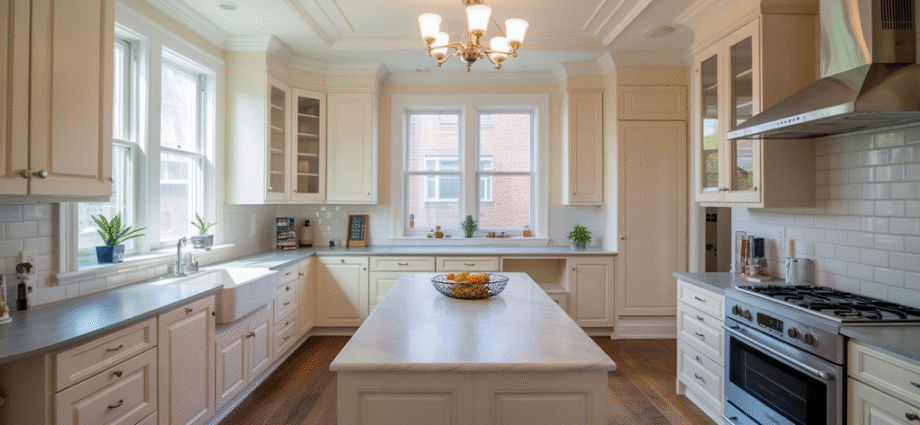
Kitchen makeovers begin with assessing your current layout and needs. Most families spend significant time cooking, eating, and gathering in this space. Consequently, improvements should enhance both form and function.
Cabinet refacing provides dramatic results without complete replacement costs. This process involves installing new doors and drawer fronts while keeping existing frames. Furthermore, adding crown molding and under-cabinet lighting creates a custom appearance.
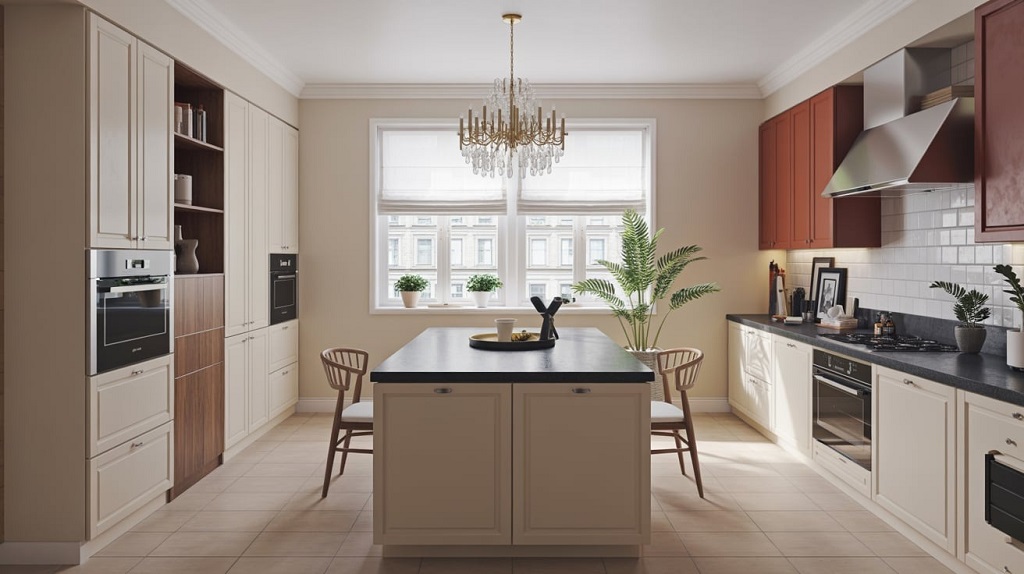
Counter space expansion transforms cramped kitchens into functional workspaces. Rolling islands offer flexibility and additional storage. Moreover, pull-out cutting boards and hidden appliance garages maximize every inch.
Budget-Friendly Kitchen Updates
Paint creates the most affordable transformation in any kitchen renovation. Light colors make small spaces appear larger and brighter. Additionally, two-tone cabinets add visual interest without expensive hardware changes.
Hardware replacement instantly modernizes outdated cabinets and drawers. Brushed gold, matte black, and mixed metals reflect current design trends. However, consistent finishes throughout the space create cohesive appeal.
Backsplash updates provide personality and protection for kitchen walls. Subway tiles remain popular for their timeless appeal. Meanwhile, mosaic patterns and natural stone add texture and sophistication.
Bathroom Renovation Strategies
Bathroom makeovers require different approaches than kitchen projects. These spaces prioritize comfort, relaxation, and efficient use of limited square footage. Therefore, every design decision must serve multiple purposes.
Storage solutions address the biggest challenge in most bathroom renovations. Built-in niches eliminate clutter while maintaining clean lines. Additionally, vanities with drawers provide more organization than traditional cabinets with shelves.
Lighting improvements dramatically enhance bathroom functionality and ambiance. Layered lighting includes task, ambient, and accent options. Furthermore, dimmer switches allow customization for different times of day.
Small Bathroom Maximization Techniques
Mirrors create illusion of space in compact bathrooms. Large mirrors or multiple smaller ones reflect light and expand visual boundaries. Moreover, mirrored medicine cabinets provide storage without sacrificing wall space.
Floating vanities make floors appear larger by revealing more tile underneath. This design trick works especially well in powder rooms and guest bathrooms. Additionally, wall-mounted toilets create similar effects.
Shower upgrades often provide better returns than bathtub installations. Walk-in showers with glass doors feel more spacious than shower-tub combinations. However, corner units work well when space is extremely limited.
Color Schemes and Design Trends
Neutral palettes remain popular because they appeal to broader audiences. White, gray, and beige create timeless foundations for both kitchens and bathrooms. Nevertheless, accent colors through accessories and artwork add personality.
Natural materials bring warmth and texture to modern renovations. Wood elements, stone surfaces, and plants create organic connections. Additionally, these materials age gracefully and maintain appeal over time.
Smart technology integration becomes increasingly important in home renovations. Voice-controlled lighting, programmable thermostats, and water-efficient fixtures appeal to modern buyers. Furthermore, these features often qualify for energy rebates.
What Are the Most Cost-Effective Renovation Approaches?
Prioritizing high-impact, low-cost changes maximizes renovation budgets. Paint, hardware, and lighting updates provide significant visual improvements affordably. Additionally, keeping existing layouts reduces plumbing and electrical expenses.
DIY projects can cut labor costs substantially for skilled homeowners. However, electrical, plumbing, and structural work require professional expertise. Therefore, hybrid approaches often provide the best balance of savings and safety.
Shopping sales and clearance items reduces material costs without compromising quality. End-of-season sales, discontinued models, and overstock situations offer excellent opportunities. Moreover, buying in bulk often provides additional discounts.
How Long Do Kitchen and Bathroom Renovations Take?
Timeline expectations depend on project scope and complexity. Minor updates like painting and hardware changes typically require one to two weeks. However, complete renovations often take six to twelve weeks.
Bathroom renovations generally proceed faster than kitchen projects. Limited space and fewer components accelerate most bathroom timelines. Additionally, powder room updates often complete within one week.
Planning and permitting requirements affect overall project duration significantly. Complex electrical or plumbing changes require inspections and approvals. Furthermore, custom orders for cabinets or fixtures extend timelines considerably.
Read More Also: Outdoor Lighting Tips to Enhance Your Landscape Design
Conclusion
Kitchen and bathroom makeovers offer exceptional opportunities to improve daily living while increasing home values. Smart planning focuses on functionality, efficiency, and timeless design elements. Additionally, mixing DIY projects with professional services maximizes budgets effectively.
Successful renovations address storage needs, lighting improvements, and modern conveniences. However, maintaining realistic timelines and budgets prevents project stress and disappointment. Therefore, careful planning and professional guidance ensure satisfying results.
These strategic improvements create spaces that serve families better while appealing to future buyers. Moreover, innovative solutions maximize impact while minimizing disruption to daily routines.
Read More Also: 10 Genius Home Upgrades That Instantly Boost
Frequently Asked Questions
What is the average return on investment for kitchen renovations?
Kitchen renovations typically return 60-80% of investment costs. Minor updates often provide better returns than complete overhauls. Additionally, mid-range renovations usually outperform luxury upgrades financially.
How much should I budget for a bathroom makeover?
Bathroom renovation budgets range from $5,000 for minor updates to $25,000 for complete overhauls. Most homeowners spend $10,000-15,000 for moderate renovations. However, costs vary significantly based on location and material choices.
Can I renovate kitchens and bathrooms simultaneously?
Simultaneous renovations reduce overall disruption but require careful coordination. However, having contractors work in both spaces can strain household routines. Therefore, staggered timelines often prove more manageable for families.
Which upgrades provide the best resale value?
Energy-efficient appliances, quality countertops, and updated fixtures provide excellent resale returns. Additionally, improved storage solutions and modern lighting appeal to most buyers. However, overly personal design choices may limit appeal.
Do I need permits for kitchen and bathroom renovations?
Permits are required for electrical, plumbing, and structural modifications. However, cosmetic updates like painting and hardware changes typically don’t require permits. Therefore, consulting local building departments ensures compliance with regulations.