










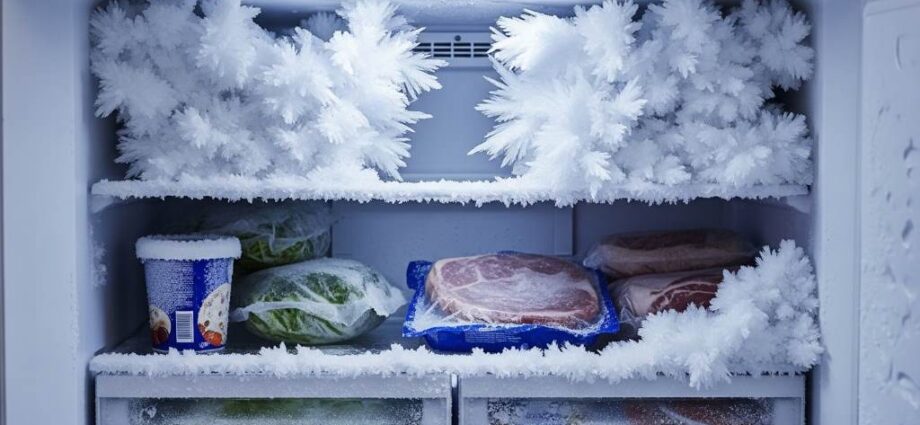
Ice crystals forming quickly inside a freezer can frustrate homeowners and raise concerns about food quality. According to the U.S. Department of Energy, inefficient refrigeration can increase energy use and reduce appliance performance over time. In Seattle, WA, the region’s cool temperatures and high humidity create conditions that can contribute to excessive frost and ice buildup. Many homeowners who research freezer compressor short cycling causes often discover that rapid ice crystal formation can signal underlying freezer issues. Understanding the reasons behind this problem can help protect food, improve efficiency, and extend appliance life.
Understanding Ice Crystal Formation in Freezers
Ice crystals develop when moisture inside the freezer freezes onto food surfaces or interior walls. This process occurs naturally to some degree in every freezer. However, rapid crystal growth often indicates excess moisture entering the appliance. As a result, food quality may decline faster than expected.
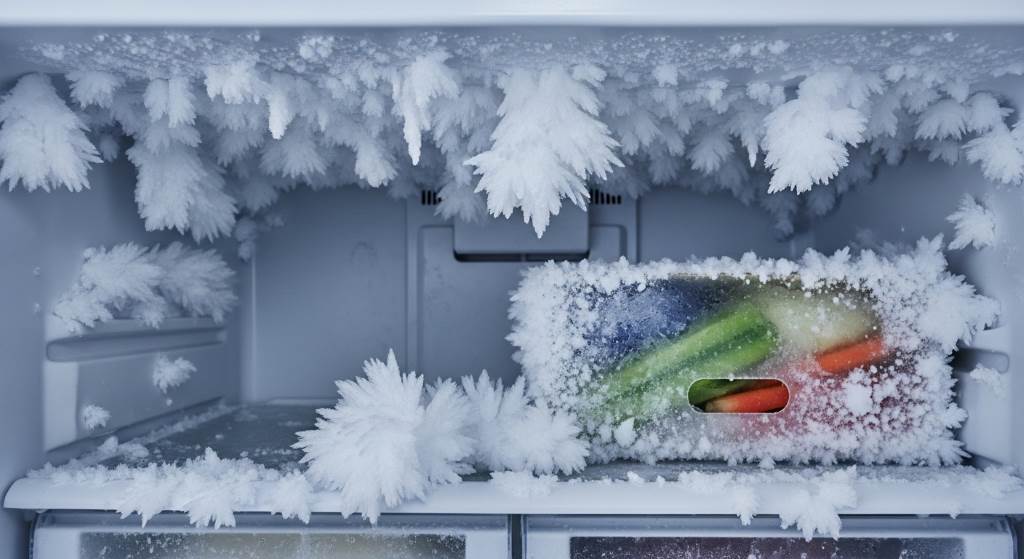
When warm air enters the freezer, it carries water vapor. Once that vapor encounters freezing temperatures, it turns into frost and ice crystals. Over time, repeated exposure creates thicker layers of ice. Therefore, even a small issue can lead to noticeable buildup.
Why Seattle’s Climate Contributes to Faster Ice Crystal Growth
Seattle experiences relatively high humidity levels throughout much of the year. Moisture-rich air contains more water vapor than drier climates. Whenever the freezer door opens, some of that humid air enters the compartment. Consequently, more frost can develop compared to homes in arid regions.
Rainy seasons can make the situation even worse. Many Seattle residents open refrigerators and freezers frequently while preparing meals indoors during wet weather. Each door opening allows additional moisture to enter. As a result, ice crystals may form much faster.
Humidity and Kitchen Environment
The location of a freezer inside the home matters significantly. Kitchens with poor ventilation often retain excess moisture. Furthermore, cooking activities release steam into the air throughout the day. This added humidity can increase frost accumulation inside the freezer.
Homeowners who focus on get home appliances smartly often choose appliance placements that improve airflow and efficiency. Proper spacing around the freezer allows better heat exchange. Additionally, strategic placement can reduce performance issues. These small decisions often prevent excessive frost formation.
Common Reasons Ice Crystals Form Quickly
Frequent Door Openings
Every time the freezer door opens, warm humid air enters the compartment. The moisture quickly freezes once temperatures drop again. Consequently, repeated openings accelerate frost development. Large households often experience this issue more frequently.
Children searching for snacks can contribute significantly to the problem. Family members may leave the door open longer than necessary. Therefore, reducing open-door time can noticeably decrease ice crystal formation. Even a few seconds can make a difference.
Damaged Door Gaskets
The door gasket creates an airtight seal around the freezer door. When the seal becomes cracked, loose, or dirty, outside air continuously leaks inside. As a result, moisture enters even when the door remains closed. This constant exposure promotes rapid frost accumulation.
Inspecting the gasket regularly helps prevent long-term issues. Homeowners should clean seals with mild soap and water. Additionally, replacing worn gaskets promptly can improve efficiency. A proper seal keeps moisture where it belongs.
Overloaded Freezer Compartments
Many people assume a packed freezer improves performance. However, excessive food can block air circulation. Restricted airflow creates uneven temperatures throughout the compartment. Consequently, certain areas become more susceptible to frost buildup.
Organized storage helps maintain proper circulation. Leave small gaps between food containers whenever possible. Furthermore, avoid placing items directly against vents. Better airflow supports consistent freezing conditions.
Improper Temperature Settings
Freezers perform best when maintained near 0°F or -18°C. Settings that are too warm can cause partial thawing followed by refreezing. This cycle encourages larger ice crystal formation on food surfaces. Therefore, temperature consistency remains essential.
A freezer thermometer provides accurate readings beyond the appliance display. Some units drift from their selected settings over time. Consequently, periodic monitoring helps identify potential problems early. Stable temperatures protect both food and appliance performance.
The Hidden Role of Defrost Systems
Modern freezers rely on automatic defrost systems to remove excess frost. These systems activate periodically to melt small amounts of accumulated ice. When components fail, frost can build rapidly throughout the freezer. As a result, ice crystals become more noticeable.
Defrost heaters, thermostats, and timers all play important roles. A malfunction in any of these parts can interrupt the process. Therefore, unusual frost patterns may indicate a mechanical issue. Professional inspection often becomes necessary.
Food Storage Habits That Increase Ice Crystals
Storing Warm Food
Placing warm leftovers directly into the freezer introduces significant moisture. As the food cools, steam releases into the compartment. That moisture then freezes onto surrounding surfaces. Consequently, frost levels increase rapidly.
Allowing food to cool before freezing helps reduce excess humidity. However, food should not remain at room temperature for extended periods. A balanced approach protects both food safety and freezer performance. Small habits often create major improvements.
Poor Packaging Methods
Improperly wrapped foods lose moisture during storage. This process, commonly called freezer burn, produces visible ice crystals. Additionally, exposed foods absorb odors and experience texture changes. Quality can decline long before expiration dates.
Use airtight containers or freezer-grade bags whenever possible. Remove excess air before sealing packages. Furthermore, label and rotate frozen items regularly. Proper packaging minimizes moisture transfer and crystal formation.
An Often Overlooked Seattle-Specific Factor
One uncommon yet real factor involves seasonal indoor humidity swings caused by Pacific Northwest weather patterns. During extended rainy periods, many homes remain closed for days at a time. Indoor humidity gradually rises despite comfortable temperatures. Consequently, freezers face a steady supply of moisture-rich air.
This issue rarely receives attention in general appliance blogs. However, Seattle homeowners often experience unique indoor moisture conditions compared to residents in drier regions. Running ventilation fans and maintaining balanced indoor humidity can reduce freezer frost. Therefore, whole-home moisture control may indirectly improve freezer performance.
When Ice Crystals Signal a Larger Appliance Problem
Rapid ice crystal formation sometimes indicates more than excess humidity. Failing compressors, faulty sensors, or refrigerant issues can disrupt temperature stability. As a result, food repeatedly freezes and partially thaws. These cycles often create larger and more visible crystals.
Homeowners planning upgrades may benefit from resources about renovate kitchen bathroom confidently when evaluating aging appliances. Older freezers often struggle to maintain efficient operation. Additionally, newer models provide improved humidity management. Strategic upgrades can reduce recurring problems.
Another warning sign involves unusual noises or extended running times. These symptoms often accompany declining refrigeration performance. Therefore, monitoring appliance behavior becomes important. Early intervention can prevent costly repairs.
Practical Steps to Reduce Ice Crystal Formation
- Open the freezer door only when necessary.
- Inspect and clean door gaskets monthly.
- Store food in airtight containers.
- Allow hot foods to cool before freezing.
- Maintain a freezer temperature near 0°F.
- Keep vents clear for proper airflow.
- Monitor indoor humidity levels.
- Schedule maintenance when frost becomes excessive.
Consistent maintenance often delivers the best results. Small preventive actions reduce stress on freezer components. Furthermore, they help preserve food quality and energy efficiency. Long-term savings frequently outweigh the effort involved.
Knowing When to Call a Professional
Some frost buildup remains normal in everyday use. However, thick ice returning shortly after removal often indicates a mechanical issue. Persistent temperature fluctuations also deserve attention. Therefore, professional diagnosis may become necessary.
Homeowners researching fridge on the fritz warning signs may discover similar symptoms affecting freezers. Refrigeration systems share many operational components. Consequently, early service calls can prevent larger failures. Timely repairs often extend appliance lifespan.
Conclusion
Ice crystals forming quickly in Seattle, WA freezers usually result from a combination of humidity, airflow issues, storage habits, and appliance performance problems. The city’s moisture-rich climate creates conditions that encourage frost development more than many other regions. Fortunately, homeowners can reduce buildup through proper maintenance, smart food storage, and regular inspections. If frost continues to return rapidly despite preventive measures, professional evaluation can uncover hidden mechanical issues. Take action today to protect your food, improve efficiency, and keep your freezer operating at its best.
FAQs
Why do ice crystals form on frozen food so quickly?
Ice crystals form quickly when moisture enters the freezer or food is not sealed properly.
Does Seattle humidity affect freezer performance?
Yes, Seattle’s higher humidity levels can increase frost and ice crystal formation inside freezers.
Can a bad door seal cause ice buildup?
Yes, a damaged gasket allows humid air to enter continuously and create frost.
What freezer temperature prevents excessive ice crystals?
A temperature near 0°F or -18°C helps minimize frost and preserve food quality.
When should I call a freezer repair technician?
You should call a technician if frost returns quickly after cleaning or temperatures fluctuate frequently.