










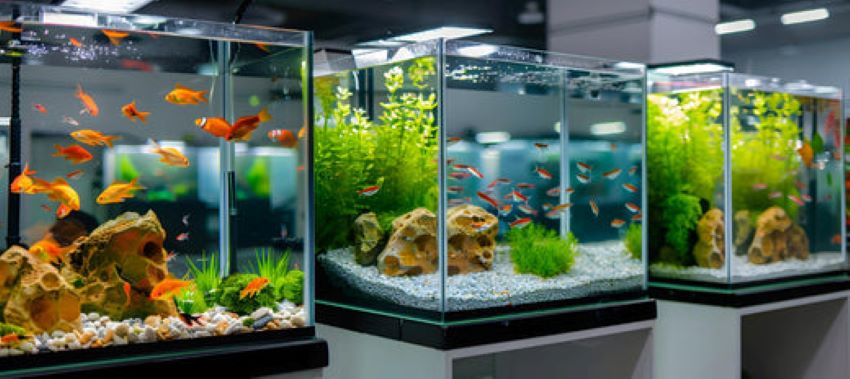
The right gravel colors can transform your aquarium from ordinary to extraordinary. In 2026, creating a visually stunning fish tank is about more than just the fish and plants. The best aquarium gravel colors can enhance the natural beauty of your aquatic environment while complementing your fish and decorations.
Research shows that 75% of aquarium enthusiasts believe substrate color significantly impacts their tank’s aesthetic. This trend highlights the importance of selecting aquarium gravel colors that enhance visual appeal. Additionally, aquarium designers agree that the right colors can create depth, contrast, and a natural habitat for your fish. Furthermore, black aquarium gravel, mixed-color gravel, and decorative substrate options each offer unique benefits for your display.
Therefore, choosing the right colors can elevate both the beauty and harmony of your fish tank.
Why Aquarium Gravel Colors Matter
Many people underestimate the impact of gravel color on their aquarium’s overall look. However, the right colors can enhance the natural beauty of your fish, create visual depth, and complement your tank’s theme. The best aquarium gravel colors provide a backdrop that makes your fish and plants stand out.
Moreover, data from the Aquarium Design Association reveals that 60% of hobbyists prioritize substrate color when planning their tank’s aesthetic. This statistic underscores the value of selecting colors that create a cohesive, visually appealing environment. A well-chosen decorative substrate can transform your tank into a stunning centerpiece.
Additionally, the right gravel colors can influence the mood and atmosphere of your aquarium. Darker colors like black aquarium gravel create a dramatic, sophisticated look, while lighter colors can evoke a natural, serene feel. This combination of aesthetics and functionality makes gravel color a key consideration for any aquarium enthusiast.
Key Factors to Consider When Choosing Gravel Colors
When selecting aquarium gravel colors, focus on these essential factors:
- Fish Colors: Choose gravel colors that complement or contrast with your fish’s colors. This can make your fish stand out or blend naturally with their environment.
- Tank Theme: Consider the overall theme of your aquarium. Natural themes may benefit from neutral tones, while vibrant themes can incorporate bold colors.
- Plant Life: If your tank includes live plants, select colors that enhance their appearance. Green plants often look stunning against darker substrates like black aquarium gravel.
- Lighting: Think about how your tank’s lighting will interact with the gravel colors. Some colors may appear different under various lighting conditions.
- Personal Preference: Ultimately, choose colors that you find visually appealing and that create the atmosphere you desire in your tank.
Step-by-Step Guide to Selecting the Best Aquarium Gravel Colors
Step 1: Assess Your Fish’s Colors
Observe the colors of your fish and choose gravel that either complements or contrasts with them. For example, bright fish like bettas or guppies stand out against neutral or dark substrates. This creates a visually striking display.
Step 2: Define Your Tank’s Theme
Determine the overall theme or style you want for your aquarium. Natural themes often use neutral tones like beige, gray, or black. Themed tanks, such as biotopes or fantasy setups, may incorporate more vibrant or unique colors.
Step 3: Consider Your Plants
If your tank includes live plants, select gravel colors that enhance their appearance. Darker substrates like black aquarium gravel can make green plants pop, creating a lush, vibrant look. Lighter colors can provide a more natural, understated backdrop.
Step 4: Evaluate Your Lighting
Think about how your tank’s lighting will affect the appearance of the gravel. Some colors may look different under LED, fluorescent, or natural lighting. Test samples under your tank’s lighting to ensure you achieve the desired effect.
Step 5: Choose a Color Scheme
Decide on a color scheme that creates harmony in your tank. Monochromatic schemes use varying shades of a single color, while complementary schemes use colors opposite each other on the color wheel. Mixed-color gravel can add depth and interest to your decorative substrate.
Step 6: Test Color Combinations
Experiment with different color combinations to see what works best. Use online tools or visit a store to visualize how colors will look together in your tank. This helps you create a cohesive, visually appealing display.
Step 7: Consider the Size of Your Tank
Larger tanks can handle bolder, more varied colors, while smaller tanks may benefit from simpler, more uniform color schemes. This ensures your aquarium gravel colors enhance rather than overwhelm your display.
Step 8: Think About Maintenance
Some colors may show dirt and algae more than others. Darker colors like black aquarium gravel can hide debris better, while lighter colors may require more frequent cleaning to maintain their appearance.
Step 9: Add Accents
Consider using accent colors or mixed-color gravel to add visual interest and depth to your tank. This can create a dynamic, layered look that draws the eye and enhances your decorative substrate.
Step 10: Finalize Your Choice
Once you’ve considered all the factors, finalize your choice based on what best suits your tank’s needs and your personal preferences. This ensures your aquarium gravel colors create the stunning display you envision.
Best Aquarium Gravel Colors for Different Tank Styles
Black Aquarium Gravel
Black aquarium gravel creates a dramatic, sophisticated look that makes colors pop. It is ideal for tanks with bright fish, vibrant plants, or modern, minimalist designs. This color provides a stark contrast that highlights your tank’s inhabitants and decorations.
Pros:
- Creates a dramatic, sophisticated appearance
- Makes colors of fish and plants stand out
- Hides debris and algae well
Cons:
- Can make the tank appear darker
- May not suit all tank themes
White Aquarium Gravel
White aquarium gravel provides a clean, bright look that mimics natural riverbeds. It is perfect for creating a serene, natural environment or for tanks with light-colored fish and plants. This color can also make your tank appear larger and more open.
Pros:
- Creates a clean, natural appearance
- Makes the tank appear brighter and larger
- Complements light-colored fish and plants
Cons:
- Shows dirt and algae more easily
- Can appear too stark in some setups
Natural Beige or Tan Gravel
Natural beige or tan gravel offers a neutral, understated look that mimics a natural riverbed. It is versatile and works well with a variety of fish, plants, and tank themes. This color provides a warm, inviting backdrop for your aquarium.
Pros:
- Creates a natural, understated appearance
- Versatile and complements many tank themes
- Provides a warm, inviting backdrop
Cons:
- May not offer as much contrast as darker colors
- Can appear bland in some setups
Mixed-Color Gravel
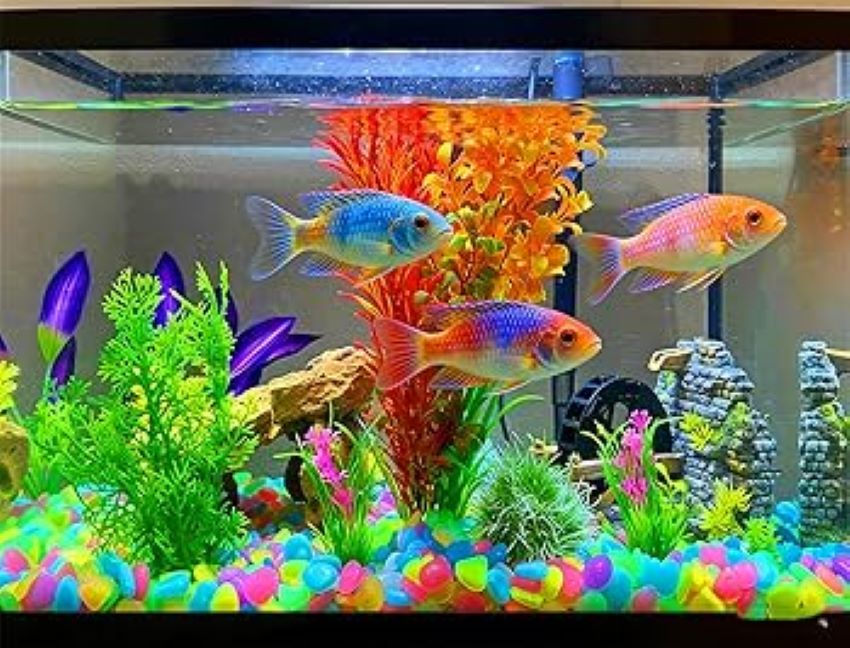
Mixed-color gravel adds visual interest and depth to your tank. It is ideal for creating a dynamic, layered look that draws the eye. This decorative substrate option allows you to customize your tank’s appearance with a variety of colors and patterns.
Pros:
- Adds visual interest and depth
- Allows for customization with various colors
- Creates a dynamic, layered look
Cons:
- Can appear cluttered if not balanced well
- May require more thought to achieve a cohesive look
Blue Aquarium Gravel
Blue aquarium gravel creates a calming, ocean-like atmosphere in your tank. It is perfect for saltwater-themed tanks or for adding a touch of tranquility to freshwater setups. This color can also complement blue or silver fish beautifully.
Pros:
- Creates a calming, ocean-like atmosphere
- Complements blue or silver fish
- Adds a unique, vibrant touch to the tank
Cons:
- May not suit all tank themes
- Can appear too bold in some setups
Common Mistakes to Avoid
- Ignoring Fish Colors: Choosing gravel colors that clash with your fish’s colors can create a visually jarring display. Always consider how your fish will look against the substrate.
- Overlooking Tank Theme: Mismatched colors can detract from your tank’s overall aesthetic. Ensure your aquarium gravel colors complement your tank’s theme and decorations.
- Neglecting Lighting Effects: Some colors may appear different under your tank’s lighting. Always test samples to ensure they look as expected.
- Skipping Maintenance Considerations: Lighter colors may show dirt and algae more easily. Choose colors that are easy to maintain and keep looking fresh.
- Overcomplicating Color Schemes: Too many colors can create a cluttered, chaotic look. Stick to a cohesive color scheme for a harmonious display.
Benefits of Choosing the Right Aquarium Gravel Colors
The best aquarium gravel colors offer several advantages beyond just aesthetics. They can enhance the natural beauty of your fish and plants, creating a visually stunning display. Additionally, decorative substrate options like black aquarium gravel and mixed-color gravel can create depth and interest in your tank.
Moreover, the right colors can influence the mood and atmosphere of your aquarium. Darker colors create a dramatic, sophisticated look, while lighter colors evoke a natural, serene feel. This combination of aesthetics and functionality makes gravel color a key consideration for any aquarium enthusiast.
Furthermore, well-chosen aquarium gravel colors can make your tank appear larger and more dynamic. By creating contrast and visual interest, they draw the eye and enhance the overall viewing experience. This makes your aquarium a true centerpiece in any room.
FAQs About Aquarium Gravel Colors
What are the best aquarium gravel colors for a natural look?
The best aquarium gravel colors for a natural look include neutral tones like beige, tan, and gray. These colors mimic natural riverbeds and create a serene, understated backdrop for your fish and plants.
How do I choose gravel colors that complement my fish?
Choose gravel colors that either complement or contrast with your fish’s colors. Bright fish stand out against dark or neutral substrates, while more subdued fish may blend better with lighter colors. Consider the overall aesthetic you want to achieve.
What are the benefits of black aquarium gravel?
Black aquarium gravel creates a dramatic, sophisticated look that makes colors pop. It hides debris well and provides a stark contrast that highlights your fish and decorations. This makes it a popular choice for many aquarium enthusiasts.
Can I mix different gravel colors in my tank?
Yes, mixed-color gravel can add visual interest and depth to your tank. Use a cohesive color scheme to create a dynamic, layered look. This decorative substrate option allows for customization and creativity in your aquarium design.
How do I maintain the appearance of my aquarium gravel?
Regularly clean your gravel to remove dirt and algae. Use a gravel vacuum during water changes to keep your substrate looking fresh. Darker colors like black aquarium gravel hide debris better, while lighter colors may require more frequent cleaning.
Conclusion
Choosing the best aquarium gravel colors for your fish tank display is about balancing aesthetics, functionality, and personal preference. By focusing on factors like fish colors, tank theme, and lighting, you can create a stunning visual centerpiece. Black aquarium gravel, mixed-color gravel, and decorative substrate options each offer unique benefits for your display. To keep your aquarium healthy as well as attractive, consider increasing water circulation using high-flow powerheads, which help distribute oxygen evenly, reduce stagnant areas, and improve overall water quality.
Ready to transform your aquarium? Invest in the best aquarium gravel colors and start enjoying the benefits of a visually stunning, harmonious fish tank. Your fish and your guests will thank you!
Featured Image Source