










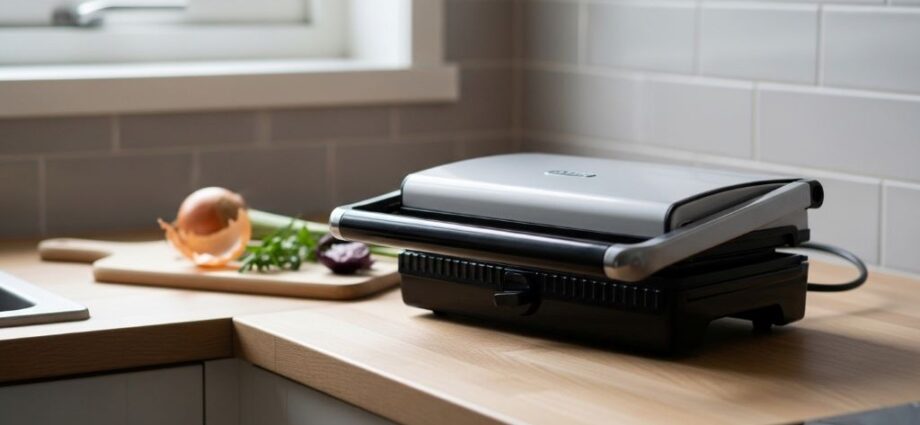
Small kitchens present unique challenges when it comes to cooking equipment. Every inch of counter space matters, and choosing the right appliances can make or break your culinary experience. Contact grills offer a practical solution for those who want versatile cooking options without sacrificing precious room. This guide will help you select the perfect grill that fits your lifestyle and limited space.
Why Contact Grills Work Well in Limited Spaces
Contact grills have gained popularity among apartment dwellers and tiny home enthusiasts for good reasons. These appliances cook food from both sides simultaneously, reducing cooking time significantly. Unlike traditional outdoor grills or large stovetop griddles, they occupy minimal counter area while delivering impressive results.
The vertical storage capability of most models makes them even more appealing. After use, you can tuck them away in a cabinet or pantry. This flexibility allows you to maintain clear countertops when not cooking. Additionally, their quick heating time means you spend less time waiting and more time enjoying meals.
Essential Features to Consider
Selecting the right grill requires careful evaluation of several key characteristics. Understanding these features will help you make an informed decision that suits your cooking habits and available space.
Size and Dimensions
Measure your available counter space before shopping. Consider both the footprint when open and the storage dimensions when closed. Some grills expand significantly when opened for cooking. Therefore, ensure you have adequate clearance above and around the unit.
Think about your typical serving sizes too. A single person or couple might find a smaller cooking surface sufficient. However, families or those who entertain regularly may need larger plates. Balance your needs against the reality of your kitchen’s constraints.
Temperature Control Options
Adjustable temperature settings provide versatility for different foods. Look for models with clear temperature indicators and easy-to-use controls. Digital displays offer precision, while analog dials provide simplicity and durability.
Some grills feature preset cooking programs for specific foods like burgers, fish, or vegetables. These automated settings can be helpful for beginners. Nevertheless, experienced cooks often prefer manual control over the cooking process.
Plate Material and Coating
Non-stick coating quality varies significantly between models. Ceramic coatings generally offer better durability than traditional non-stick surfaces. They also tend to be more environmentally friendly and safer at high temperatures.
Cast aluminum plates distribute heat more evenly than thin steel ones. This even heating prevents hot spots that can burn food in some areas while leaving other parts undercooked. Moreover, thicker plates retain heat better, resulting in superior searing capabilities.
Removable Plates for Easy Cleaning
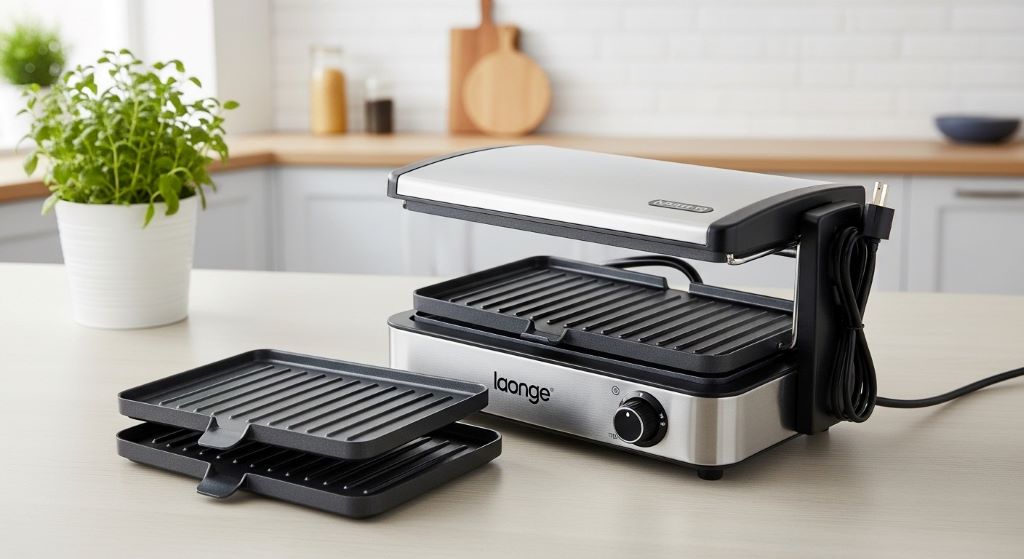
Dishwasher-safe removable plates simplify cleanup considerably. Models with fixed plates require more careful cleaning around electrical components. Removable options allow thorough washing without worrying about water damage.
Check how easily the plates detach and reattach. Some designs use simple release buttons, while others require more complex procedures. The easier the removal process, the more likely you’ll clean the grill properly after each use.
Drip Tray Design
Excess fat and grease need somewhere to go during cooking. A well-designed drip tray catches these liquids efficiently. Look for trays that are large enough to handle longer cooking sessions without overflowing.
Removable drip trays make disposal and cleaning much simpler. Some models include dishwasher-safe trays, which further reduce cleanup time. Additionally, consider the tray’s accessibility during cooking for safer handling.
Understanding Compact Appliances for Modern Living
Modern kitchen design increasingly emphasizes efficiency and minimalism. Compact appliances have evolved from basic functionality to sophisticated cooking tools. Manufacturers now understand that small doesn’t mean compromising on performance or features.
Today’s models incorporate advanced heating elements that rival larger kitchen equipment. They heat quickly and maintain consistent temperatures throughout the cooking surface. Furthermore, many include smart features like automatic shutoff and temperature monitoring for safety.
The trend toward smaller living spaces has driven innovation in this category. Engineers continually find ways to pack more capability into smaller packages. As a result, current models often outperform their larger predecessors from just a few years ago.
Exploring Space-Saving Grill Options
When counter space is at a premium, every appliance must justify its presence. Space-saving grill designs address this concern through clever engineering and thoughtful features. These models maximize cooking capability while minimizing storage requirements.
Vertical storage designs allow grills to stand upright in narrow cabinet spaces. Some fold completely flat for drawer storage. Others feature retractable cords that eliminate tangled wire problems. These small details add up to significant convenience in cramped kitchens.
Multi-functionality extends the value proposition of these appliances. Many models work as panini presses, waffle makers, or flat griddles with interchangeable plates. This versatility means one appliance can replace several others. Consequently, you free up even more precious storage space.
Power and Performance Considerations
Wattage indicates heating power, but higher isn’t always better for small kitchens. Models between 1200 and 1800 watts typically provide adequate performance without overloading circuits. Check your kitchen’s electrical capacity before purchasing high-wattage models.
Heating speed affects your cooking experience significantly. Look for grills that reach cooking temperature within three to five minutes. Faster heating means less waiting and lower energy consumption overall. However, ensure rapid heating doesn’t compromise temperature stability.
Some apartments have limited electrical outlets or older wiring. Consider whether your kitchen can safely handle the grill’s power requirements. Using extension cords with high-wattage appliances poses fire risks. Therefore, plan placement near appropriate outlets.
Safety Features That Matter
Safety becomes especially important in compact cooking spaces. Look for grills with cool-touch handles that prevent burns during operation. Automatic shutoff features provide peace of mind if you forget to turn off the unit.
Non-slip feet keep the grill stable during use. This stability is crucial when pressing down on sandwiches or flipping the lid. Additionally, cord storage features prevent tripping hazards in tight spaces.
Indicator lights show when the grill is hot and ready for cooking. They also alert you when the unit remains plugged in after use. These simple visual cues enhance safety significantly, especially in busy household environments.
Material Quality and Durability
Stainless steel housings offer superior durability and easier cleaning than plastic alternatives. They resist stains and odors better over time. However, they typically cost more initially, though the investment often pays off through longevity.
Hinge quality determines how well the grill withstands daily use. Loose hinges cause uneven cooking and potential safety issues. Test the hinge action before purchasing, ensuring smooth operation without excessive wobbling.
Warranty coverage indicates manufacturer confidence in their product. Look for at least one year of coverage, with two or more years being preferable. Read warranty terms carefully, noting what’s covered and any required maintenance for coverage continuation.
Budget Considerations and Value
Contact grills range from budget-friendly options under fifty dollars to premium models exceeding two hundred. Determine your budget based on expected usage frequency and desired features. Daily users benefit more from higher-quality models than occasional cooks.
Consider the total cost of ownership beyond the purchase price. Energy-efficient models save money over time through lower electricity consumption. Durable construction reduces replacement costs. Easy-to-clean designs save time, which has value too.
Sales and seasonal discounts can significantly reduce costs. However, avoid purchasing solely based on price. A slightly more expensive model with better features often provides superior long-term value. Balance immediate savings against future satisfaction and performance.
Where to Shop and What to Look For
Online retailers offer extensive selection and competitive pricing. Read customer reviews carefully, paying attention to comments about durability and customer service. Photos from actual users often reveal details not shown in professional product images.
Physical stores allow hands-on examination before purchase. Test the weight, hinge action, and control accessibility. Ask staff about return policies and common customer feedback. This direct interaction can prevent disappointing purchases.
Manufacturer websites sometimes offer exclusive models or better warranty terms. They also provide detailed specifications and cooking guides. However, prices may be higher than third-party retailers. Compare options across multiple sources before deciding.
Maintenance Tips for Longevity
Proper maintenance extends your grill’s lifespan significantly. Clean the plates after every use once they cool to room temperature. Never immerse the main unit in water or place it in a dishwasher. Instead, wipe the exterior with a damp cloth.
Season non-stick surfaces occasionally with a light coating of cooking oil. This practice maintains the coating’s effectiveness and prevents food from sticking. Avoid metal utensils that can scratch and damage protective surfaces.
Store the grill in a dry location away from moisture. Dampness can cause electrical issues and promote corrosion. Keep the cord wrapped loosely to prevent wire damage. Taking these simple steps ensures years of reliable service.
Making Your Final Decision
Creating a prioritized list of must-have features helps narrow options effectively. Distinguish between essential requirements and nice-to-have extras. This clarity prevents being swayed by flashy features you won’t actually use.
Consider your cooking style and typical menu items. Someone who primarily makes sandwiches needs different features than someone grilling vegetables regularly. Honest self-assessment leads to more satisfying purchases.
Read multiple reviews from various sources to get balanced perspectives. Look for patterns in feedback rather than focusing on individual complaints. A few negative reviews among hundreds of positive ones shouldn’t necessarily disqualify a model.
Conclusion
Choosing the right contact grill for a small kitchen involves balancing multiple factors. Size constraints, cooking needs, and budget all play important roles in the decision. Compact appliances and space-saving grill options have evolved significantly, offering impressive performance without demanding excessive room.
Focus on quality construction, appropriate size for your needs, and features that match your cooking style. Removable plates, good temperature control, and solid safety features should rank high on your priority list. Remember that the best grill is one you’ll actually use regularly, not just the one with the most features.
Take time to research thoroughly and compare options carefully. The right choice will serve you well for years, making meal preparation easier and more enjoyable. Your small kitchen can produce delicious grilled meals just as effectively as larger spaces with the proper equipment.
Frequently Asked Questions
Can I use a contact grill in a dorm room?
Yes, most contact grills are suitable for dorm rooms. However, check your dormitory’s policies first, as some prohibit certain cooking appliances. Choose models with automatic shutoff features for added safety. Look for compact designs that fit easily on small desks or countertops.
How much counter space do I really need?
Most contact grills require approximately 12 to 18 inches of counter depth when open. Allow extra space on sides for heat ventilation and safe handling. Measure your available area before shopping, adding two inches to dimensions for clearance. Remember that some models extend significantly when opened.
Are expensive models worth the extra cost?
Higher-priced models typically offer better construction, more even heating, and longer warranties. They often include features like removable plates and precise temperature control. For daily users, premium models usually provide better value over time. Occasional users might find mid-range options perfectly adequate.
How do I prevent food from sticking?
Preheat the grill fully before adding food, which helps create an initial sear. Use a light coating of oil on both food and grill plates. Avoid moving food too early; let it cook undisturbed for proper browning. Clean plates thoroughly after each use to prevent residue buildup.
Can contact grills replace outdoor grills?
Contact grills produce different results than outdoor charcoal or gas grills. They lack the smoky flavor of traditional grilling but offer convenience and speed. For apartment dwellers without outdoor access, they provide an excellent alternative. Think of them as complementary tools rather than direct replacements.
Related Topics:
How to Choose a Compact Rice Cooker for Small Kitchens: Unlock the Versatile 6-Cup Cooker with Keep-Warm
Kitchen Remodeling Ideas to Create a Healthier, More Functional Space