




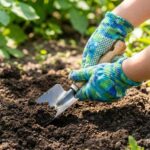

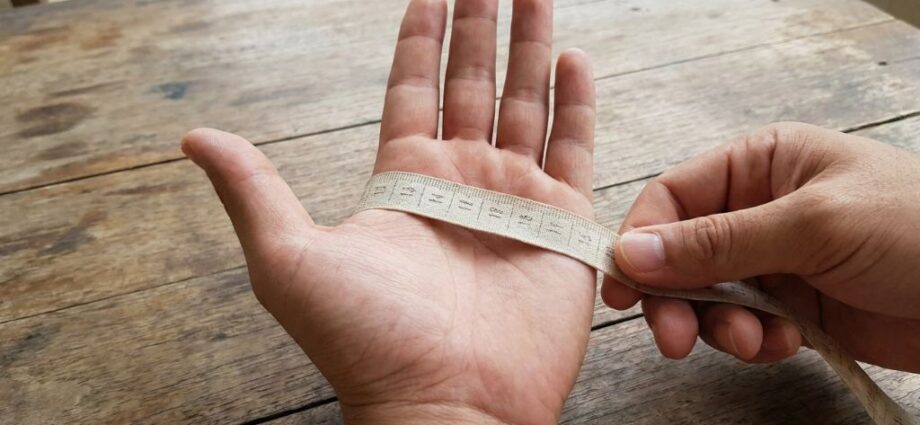
Measure your palm circumference and middle finger length, then match both numbers to a brand’s size chart. A proper fit means no bunching at the fingertips and no restriction when making a fist. Skipping this step usually leads to blisters and a glove that wears out faster than expected.
Most gardeners grab whatever size looks roughly right off the shelf. That guesswork causes more discomfort than any material choice ever will.
This guide walks through exact measuring steps, how to read inconsistent size charts, and what a poor fit actually looks like in practice. A few minutes of measuring now saves a season of frustration later.
Why Fit Matters More Than People Expect
A glove that fits poorly undermines even the best material choice available. Loose fingertips reduce grip precision, while a tight palm restricts blood flow during long sessions.
Blisters often form not from the tool itself but from fabric shifting against skin inside a poorly fitted glove. Getting the size right solves most comfort complaints before they start.
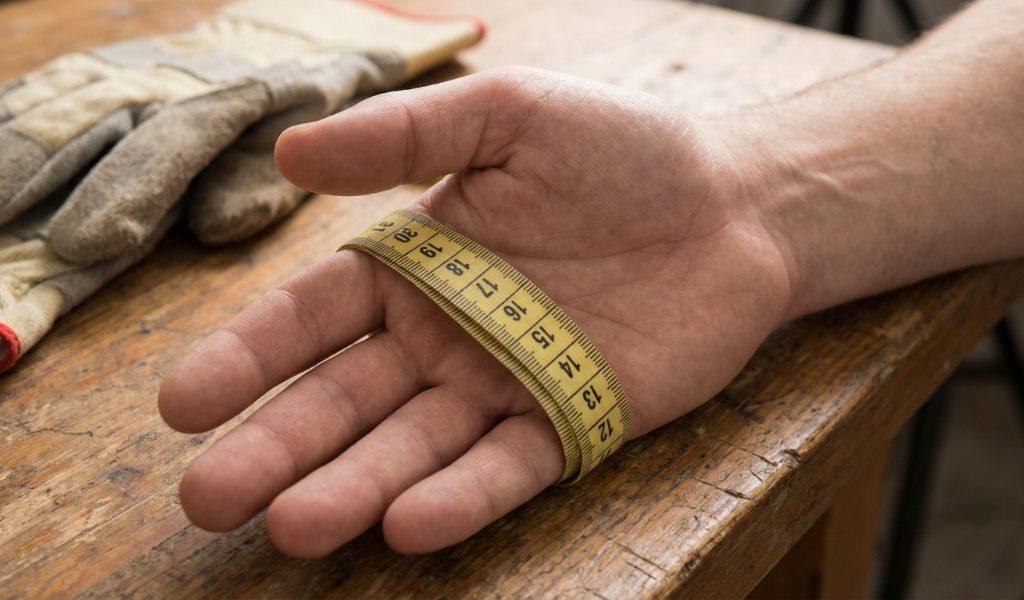
Step By Step Hand Measuring
Follow these steps with a flexible tape measure or a strip of string and a ruler.
Measure Palm Circumference
Wrap the tape around your dominant hand’s palm, just below the knuckles, excluding the thumb. Note the measurement in inches, since most charts use that unit.
Measure Hand Length
Measure from your wrist crease to the tip of your middle finger. Keep your hand flat and fingers extended during this step for accuracy.
Record Both Numbers
Write down both measurements before shopping, since you will need to compare them against each brand’s specific chart. Round up slightly if your measurement falls between two listed sizes.
Reading Size Charts Across Brands
Sizing varies noticeably between manufacturers, unlike standardized shoe or clothing sizes. A medium from one brand can fit closer to a small from another.
Always check the specific chart for the product you are buying rather than relying on your usual size label. Charts listing both circumference and length give the most reliable match.
When no chart is available, choose a retailer offering easy returns so you can exchange sizes without hassle.
Signs A Glove Is Too Tight
A few clear signs point to a glove running small for your hand.
Restricted movement: when making a fist signals the palm or fingers run too tight.
Red marks or indentations: after removing the glove suggest excessive pressure during wear.
Numbness or tingling: during use often means circulation is being restricted at the wrist or palm.
Signs A Glove Is Too Loose
Loose gloves cause their own set of problems during regular use.
Bunching fabric: at the fingertips signals a glove too long for your hand.
Slipping during grip: means the palm area runs too large for secure tool handling.
Gaps at the wrist: let in dirt and reduce the protection a cuff is meant to provide.
Sizing Tips For Kids
Children need gloves sized specifically for smaller hands rather than a scaled down adult pair. Measure their hand the same way as an adult, then check for a dedicated kids size chart.
Avoid buying a size up expecting growth room, since loose fabric around tools creates a real safety hazard for small hands.
Sizing For Extra Wide Or Narrow Hands
Some brands offer half sizes or adjustable wrist straps for hands that fall between standard measurements. Stretch fabric panels also accommodate wider hands better than rigid leather construction.
For narrow hands, a hook and loop closure lets you cinch the wrist snugly even if the palm runs slightly large.
How Fit Changes By Glove Type
Fit expectations shift slightly depending on material. Leather gardening gloves often feel snug initially and loosen slightly as the material breaks in over several uses.
Stretch knit or nitrile dipped gloves fit closer to the hand from the first wear and change little over time. Keep this difference in mind when deciding whether to size up for a stiffer leather pair.
Frequently Asked Questions
What Is The Best Way To Measure Hand Size At Home?
Wrap a tape measure around your palm below the knuckles and measure wrist to middle fingertip length.
Do Gardening Glove Sizes Match Regular Glove Sizes?
Not always, since gardening brands often use their own charts that differ from standard glove sizing.
Should I Size Up For Thicker Winter Gloves?
Yes, a slightly larger size accommodates insulation without restricting circulation during cold weather tasks.
How Do I Know If Kids Gloves Fit Correctly?
Check for no bunching at the fingertips and a snug, not tight, feel around the palm.
Can I Exchange Gloves If The Size Is Wrong?
Most retailers allow exchanges within a return window, so check the policy before removing tags.
Final Thoughts
Getting the size right transforms how a pair of gloves performs during real garden work. Measure carefully, check the specific brand chart, and watch for the warning signs covered here.
Take five minutes to measure your hand before your next purchase. That small step prevents blisters and wasted money on a pair that never quite fits.