










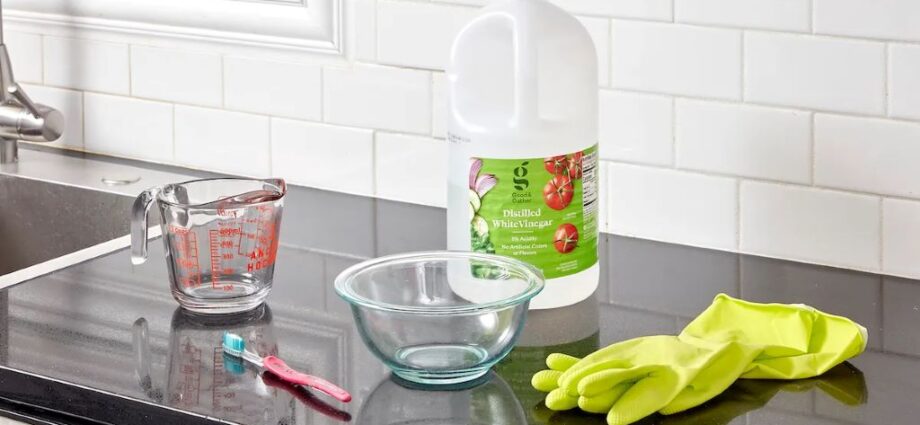
Dishwashers, those modern marvels of convenience, can sometimes harbor unexpected grime. But fear not, there’s a simple, eco-friendly solution: vinegar for cleaning. This humble kitchen staple is a powerful cleaning agent that can work wonders on your dishwasher, leaving it sparkling clean and fresh.
Vinegar for Cleaning: Understanding the Power of Vinegar
Vinegar is a natural disinfectant with remarkable cleaning properties. Its acidic nature effectively cuts through grease, grime, and hard water deposits. Moreover, it’s a safe and non-toxic alternative to harsh chemical cleaners, making it an ideal choice for those seeking eco-friendly solutions.
Vinegar for Cleaning: The Step-by-Step Vinegar Cleanse
Ready to give your dishwasher a vinegar makeover? Follow these steps:
- Empty the Dishwasher: Remove all dishes, utensils, and racks to ensure an empty workspace.
- Check the Filters: Remove and clean the dishwasher filters. These often trap food particles and can be a breeding ground for bacteria.
- Vinegar Infusion: Pour one to two cups of white vinegar into a dishwasher-safe container. Place it on the top rack of the empty dishwasher.
- Run a Hot Cycle: Start a regular hot water cycle. The heat will activate the vinegar’s cleaning power, allowing it to penetrate and dissolve grime.
- Optional: Baking Soda Boost: For stubborn odors or heavy residue, sprinkle a generous amount of baking soda on the bottom of the dishwasher before running the vinegar cycle. The combination of vinegar and baking soda creates a powerful cleaning duo.
- Final Rinse: Once the cycle is complete, wipe down the interior of the dishwasher with a damp cloth to remove any remaining residue.
Tips for Maximum Cleanliness
- Regular Maintenance: While a deep vinegar clean is essential, regular maintenance can prevent buildup. Rinse food particles from dishes before loading, and run a rinse cycle after each load to remove any residue.
- Tackling Tough Spots: For stubborn stains or mineral deposits, create a paste with baking soda and vinegar. Apply it to the affected area, let it sit for a few minutes, then scrub gently with a soft brush.
- Addressing Odors: If your dishwasher still emits unpleasant odors after the vinegar is cleaned, consider leaving an open box of baking soda inside for a few days to absorb odors.
The Pros and Cons of Popular Kitchen Appliances: What Every Home Cook Should Know
The Science Behind the Sparkle
Vinegar’s acidic properties break down mineral deposits, hard water stains, and soap scum. The hot water cycle helps distribute the vinegar evenly throughout the dishwasher, ensuring thorough cleaning. Baking soda, if used, acts as an abrasive to scrub away stubborn grime and helps neutralize odors.
Related: Conquer Weeknights: Time-Saving Kitchen Hacks for Busy Cooks
When to Schedule a Vinegar Clean
While the frequency of deep cleaning depends on your dishwasher’s usage and water hardness, a general guideline is to perform a vinegar clean every one to three months. If you notice a decline in cleaning performance, odors, or visible grime, it’s time for a vinegar treatment.
By incorporating vinegar into your dishwasher cleaning routine, you’re not only promoting a healthier environment but also extending the life of your appliance. Enjoy sparkling clean dishes and a fresh-smelling dishwasher with this simple, effective, and eco-friendly method.
Remember, a clean dishwasher is a happy dishwasher!