










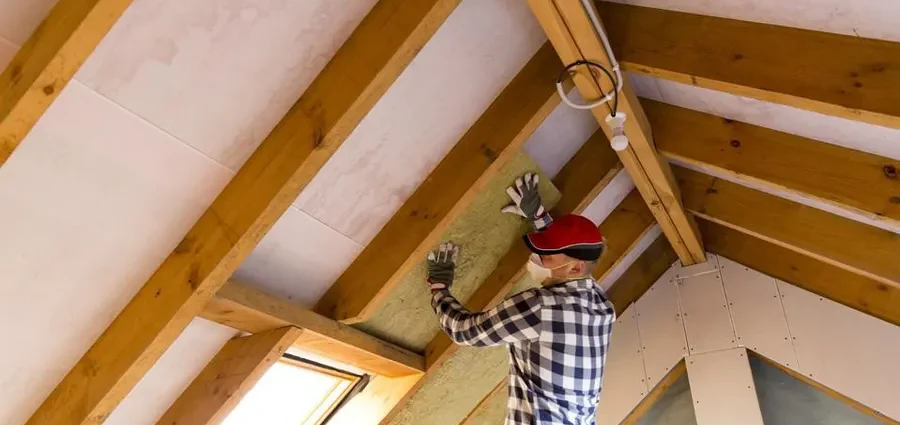
Imagine your home as a cozy cocoon, protecting you from the world outside. Now, picture that cocoon with holes in the ceiling. All that warm air you’ve worked hard to create is simply escaping! This is where ceiling insulation comes in. It’s like plugging those holes, keeping your home comfortable and your energy bills low. Let’s dive into the wonderful world of insulation.
Understanding Insulation: It’s Not Just for Astronauts
Insulation is like a thermal blanket for your home. It prevents heat from escaping during winter and keeps the cool air in during summer. While it might sound like a complex topic, it’s actually pretty simple. Think of it as wrapping your home in a warm hug.
Why is Ceiling Insulation So Important?
You might be wondering why focus on the ceiling? Well, a significant amount of heat loss occurs through the roof. Insulating your ceiling is like putting a lid on a pot. It prevents heat from escaping and keeps your home cozy. Plus, it can significantly reduce your energy bills. Who doesn’t love saving money?
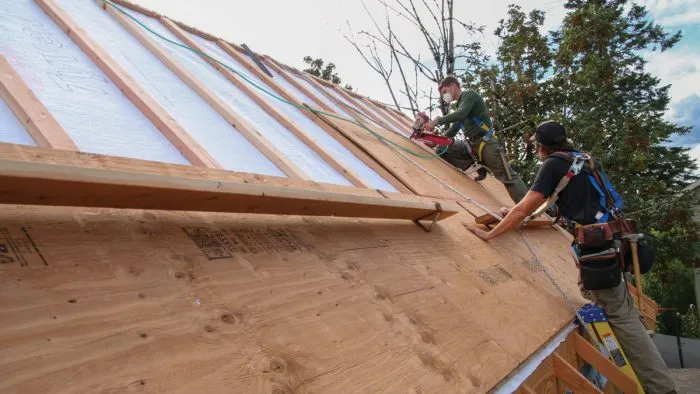
Types of Ceiling Insulation: Which One is Right for You?
There are several types of ceiling insulation, each with its own pros and cons. Let’s break them down.
Fiberglass Insulation
Fiberglass is the most common type of insulation. It comes in rolls or batts, making it easy to install. It’s affordable and provides good thermal resistance. However, it can be itchy and irritating to handle.
Rock Wool Insulation
Rock wool is made from volcanic rock. It’s fireproof, moisture-resistant, and has excellent soundproofing properties. While it’s a bit pricier than fiberglass, it’s a great option for those living in humid climates or areas prone to fires.
Cellulose Insulation
Made from recycled paper, cellulose is an eco-friendly option. It’s blown into place, filling all the nooks and crannies. It provides excellent thermal resistance and soundproofing but can be messy to install.
Spray Foam Insulation
Spray foam is a liquid that expands and hardens into a foam. It creates an airtight seal, preventing air infiltration. While it’s more expensive, it offers superior insulation and can reduce noise.
Factors to Consider When Choosing Insulation
Selecting the right insulation depends on several factors:
- Climate: If you live in a cold climate, you’ll need higher R-value insulation. For warmer climates, lower R-value might suffice.
- Budget: Fiberglass is generally the most affordable, while spray foam is the priciest.
- Environmental concerns: If you’re eco-conscious, cellulose or rock wool might be good options.
- Installation ease: Fiberglass and rock wool are relatively easy to install, while cellulose and spray foam require professional help.
- Soundproofing: If you want to reduce noise, rock wool or cellulose are better options.
Installation: DIY or Professional?
Installing insulation can be a DIY project for fiberglass and rock wool batts. However, for cellulose and spray foam, it’s best to hire professionals. They have the equipment and expertise to ensure proper installation.
While insulation doesn’t require much maintenance, it’s essential to keep your attic ventilated. Proper ventilation prevents moisture buildup, which can lead to mold and reduce the insulation’s effectiveness.
Insulating your ceiling offers numerous benefits beyond energy savings. It can improve indoor air quality by preventing dust and allergens from circulating. Additionally, it can enhance your home’s comfort by reducing temperature fluctuations.
Conclusion
Insulating your ceiling is an investment in your home’s comfort and energy efficiency. By understanding the different types of insulation and considering your specific needs, you can make an informed decision. Remember, a well-insulated home is a happy home.