






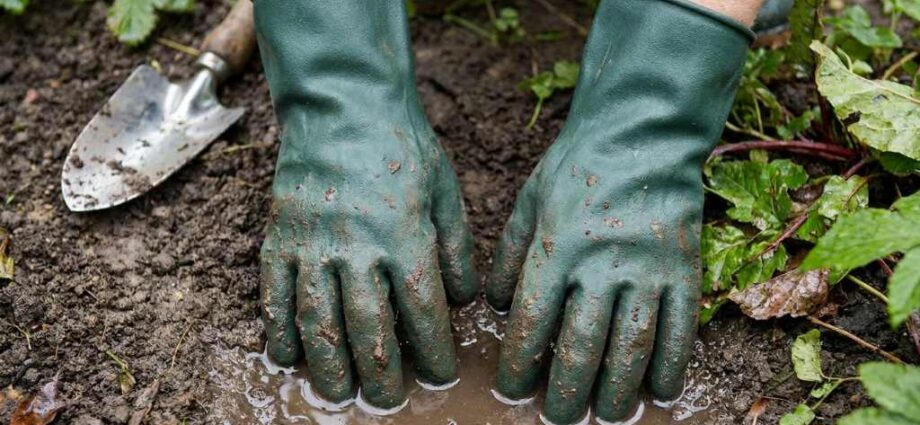
Nitrile coated or PVC dipped gloves with a fleece or thermal lining handle wet and cold work best. The coating blocks moisture completely while the lining keeps hands warm during colder sessions. A snug wrist seal prevents water from seeping in from above during deep soil contact.
Wet soil and winter pruning punish standard gloves fast. Water seeps through cotton within minutes and leaves leather stiff once it dries.
This guide explains what actually makes a glove waterproof, which features matter most for cold conditions, and how to care for these materials properly. You will finish knowing exactly what to look for before your next wet season purchase.
Waterproof Versus Water Resistant
These terms get used interchangeably, but they describe very different performance levels. Waterproof means fully sealed material that blocks moisture entirely, even during extended contact.
Water resistant means the material slows moisture absorption temporarily but eventually soaks through. Checking which term a listing actually uses prevents a disappointing surprise during your first muddy task.
What Makes A Glove Actually Waterproof
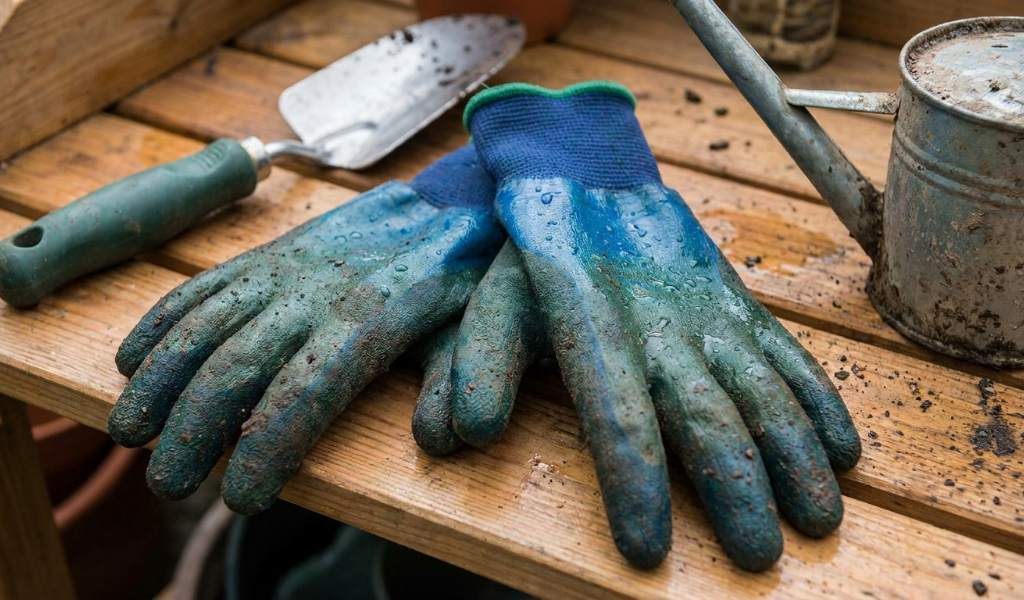
A fully coated exterior, usually nitrile, PVC, or natural rubber, blocks water at the surface level. Sealed seams matter just as much, since stitched seams without sealing let water in through needle holes.
A snug cuff closure stops water from running down your forearm into the glove opening. All three elements need to work together for genuine waterproof performance.
Best Picks For Wet Soil Work
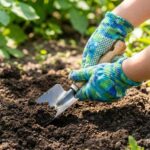
Fully dipped nitrile gloves with a textured grip palm handle muddy digging and planting well. The coating resists soil staining while maintaining enough flexibility for detailed handling.
Look for a glove with reinforced fingertips as well, since wet soil work often involves pulling roots or rocks by hand.
Best Picks For Pond And Water Feature Work
Longer gauntlet style waterproof gloves protect forearms during pond cleaning or water feature maintenance. Full submersion resistance matters more here than in general wet soil tasks.
A textured grip palm also helps when handling slippery rocks or wet plant material near water features.
Best Picks For Winter Pruning
Insulated waterproof gloves with a thermal lining keep hands functional during cold weather pruning sessions. Thinner insulation preserves dexterity for detailed cuts near buds and small branches.
Thicker insulation suits general cold weather cleanup where precise finger movement matters less.
Insulation Options For Cold Weather Gardening
Fleece lining offers lightweight warmth without much bulk, suiting moderately cold conditions well. Thermal synthetic insulation provides stronger warmth for genuinely freezing temperatures but adds noticeable bulk.
Removable liners let you adjust warmth levels across a single winter season without buying multiple pairs. This flexibility suits regions with inconsistent winter temperatures throughout the colder months.
Breathability Trade-Offs With Fully Waterproof Designs
Fully sealed coatings block moisture from entering, but they also block sweat from escaping during warmer tasks. Hands can feel clammy during longer sessions even in cool weather.
Some waterproof gloves now include breathable membrane panels across the back of the hand to offset this issue. Checking for this feature matters if you plan extended wear rather than short wet tasks.
Care Tips Specific To Waterproof Materials
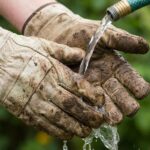
Rinse mud and soil off immediately after use to prevent the coating from staining or stiffening. Avoid high heat drying, since excessive heat can crack rubber and nitrile coatings over time.
Check seams periodically for small tears, since a compromised seam undermines the entire waterproof design. Among gardeners choosing gardening gloves for winter and wet season work, proper rinsing after each use extends the coating’s working life significantly.
Store waterproof gloves away from direct sunlight, since UV exposure gradually breaks down rubber and synthetic coatings.
Signs Your Waterproof Gloves Need Replacing
A few clear signs indicate it is time for a new pair.
Water seeping through during use: means the coating has developed a crack or tear somewhere.
Stiff or brittle coating: after storage suggests UV or heat damage has compromised the material.
Persistent cold despite insulation: often means the lining has compressed and lost its warming ability.
Frequently Asked Questions
What Is The Difference Between Waterproof And Water Resistant Gloves?
Waterproof gloves fully block moisture, while water resistant gloves only slow absorption temporarily before soaking through.
Can Waterproof Gloves Keep Hands Warm In Winter?
Yes, when paired with fleece or thermal lining, waterproof gloves handle both moisture and cold effectively.
Do Waterproof Gloves Work For Detailed Pruning Tasks?
Thinner insulated options preserve enough dexterity for detailed pruning, while thicker pairs suit general cleanup better.
How Do I Prevent Waterproof Gloves From Smelling?
Rinse and air dry them fully after each use to prevent moisture buildup and odor inside the lining.
Are Waterproof Gloves Necessary For Occasional Gardening?
Not always, since occasional dry weather gardeners may only need waterproof gloves during specific wet season tasks.
Final Thoughts
Wet soil and cold weather demand more protection than a standard glove can offer. A fully sealed, properly insulated pair keeps your hands dry and functional through the toughest conditions.
Check your current gloves against the waterproofing signs covered here before your next muddy or cold season task. The right pair makes winter and wet weather gardening far more comfortable.