







Hand wash leather with saddle soap and air dry it away from direct heat. Machine wash cotton and most synthetic pairs on a gentle cycle instead. Matching the cleaning method to the material prevents cracking, shrinking, and early replacement.
Most gardeners toss dirty gloves in a corner and forget about them until the next task. That habit shortens the life of even a well made pair quickly.
This guide covers cleaning steps by material, drying methods that prevent damage, and storage habits that stop mildew before it starts. A few extra minutes of care each season adds real years to your gloves.
Cleaning Steps By Material
Each material responds differently to moisture, soap, and agitation.
Leather
Wipe off loose dirt first with a dry brush before introducing any moisture. Use a small amount of saddle soap on a damp cloth, working it gently into the material.
Avoid soaking leather or using harsh detergents, since both strip natural oils and accelerate cracking.
Rubber Coated And Nitrile
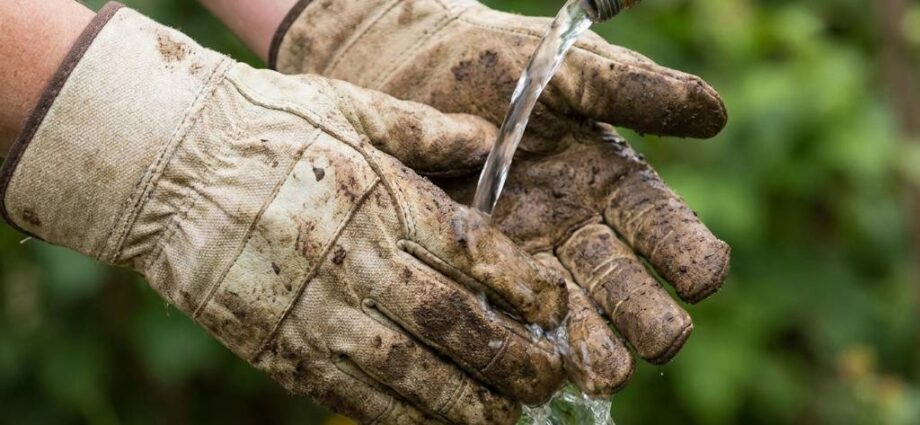
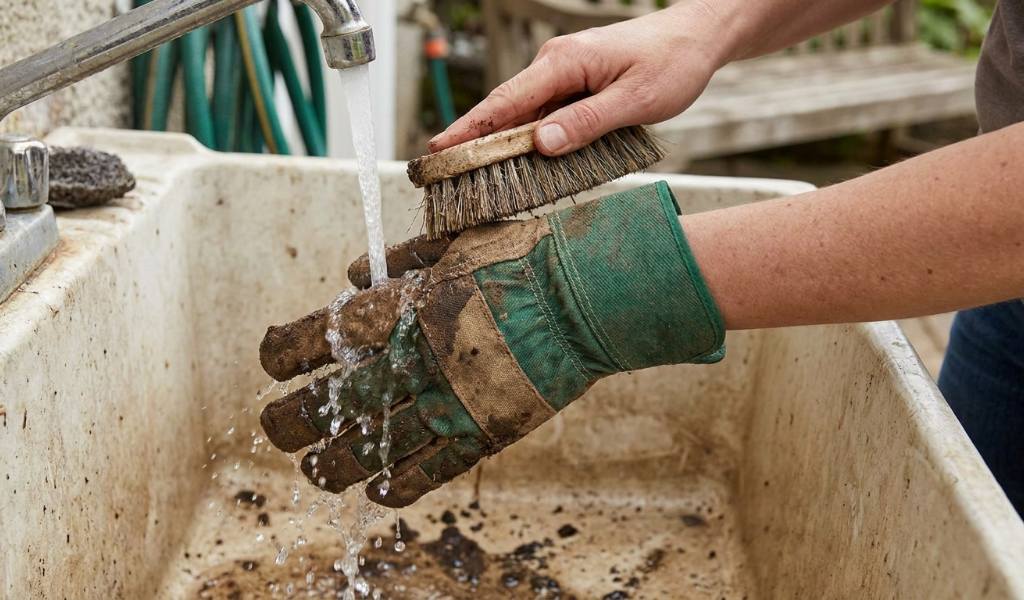
Rinse under running water to remove soil, then scrub gently with mild soap and a soft brush. These materials tolerate more direct water contact than leather without damage.
Check seams during cleaning, since trapped soil along stitching can weaken the material over time.
Cotton And Canvas
Most cotton and canvas gloves handle a gentle machine wash cycle without issue. Use cold water and a mild detergent to avoid fading or shrinking the fabric.
Skip fabric softener, since it can reduce the grip texture on canvas palms over time.
Drying Methods That Prevent Damage
How you dry gloves matters almost as much as how you clean them. Always air dry away from direct sunlight or heating vents.
High heat causes leather to crack and rubber coatings to stiffen or split. Stuff leather gloves loosely with paper while drying to help them hold their original shape.
Hang cotton and canvas gloves by the cuff rather than laying them flat, which speeds up even drying.
Removing Odor After Heavy Use
Sweat and damp soil trapped inside a glove create persistent odor over time. Turn gloves inside out after each use to speed up moisture evaporation.
A light dusting of baking soda between uses absorbs lingering smell without damaging most materials. Let the baking soda sit overnight before shaking it out the next time you wear the gloves.
Treating Stains From Sap And Fertilizer
Fresh sap stains lift more easily than dried ones, so treat them as soon as possible. Rubbing alcohol on a cloth works well for sap on synthetic and rubber coated materials.
Fertilizer residue on leather should be brushed off dry rather than scrubbed with water, which can push chemicals deeper into the fibers. Among gardeners who clean gardening gloves regularly, treating stains quickly prevents permanent discoloration far better than waiting.
Storage Tips That Stop Mildew
Store all gloves in a dry, ventilated spot rather than a sealed plastic bin. Trapped moisture inside a closed container creates ideal conditions for mildew growth.
A breathable fabric bag or open shelf works better than airtight storage. Rotating between two or more pairs also gives each one time to fully dry between uses.
Reconditioning Leather Between Seasons
Leather benefits from a light conditioning treatment every few months, even without visible damage. Apply a small amount of leather conditioner with a soft cloth, working it in gentle circles.
This step replaces natural oils lost through regular flexing and exposure, which keeps the material supple and reduces cracking risk.
Signs It Is Time To Replace Instead Of Clean
Some damage goes beyond what cleaning and conditioning can fix. Persistent odor despite repeated washing often signals bacteria embedded deep in the material.
Cracked leather that conditioning no longer softens has likely passed the point of recovery. Thinning fabric at the palm or fingertips means protection has already dropped significantly, regardless of how clean the gloves look.
Frequently Asked Questions
Can I Put Leather Gardening Gloves In The Washing Machine?
No, machine washing damages leather fibers, so hand cleaning with saddle soap works much better.
How Often Should I Clean My Gardening Gloves?
Clean them after heavy or messy use, and give them a light wipe down after lighter tasks.
What Removes Stubborn Soil Stains From Canvas Gloves?
A gentle machine wash with mild detergent usually removes most soil stains from canvas material.
Does Conditioning Leather Gloves Really Make A Difference?
Yes, regular conditioning prevents cracking and significantly extends how long leather gloves stay flexible and usable.
Why Do My Gloves Smell Even After Washing?
Trapped moisture inside the lining often causes lingering odor, so always air dry fully before storage.
Final Thoughts
A little consistent care keeps your gloves performing well for years instead of months. Clean by material, dry properly, and store them somewhere dry and ventilated.
Build a quick cleaning habit into your regular gardening routine starting with your next session. Your gloves will reward that effort with a much longer working life.