










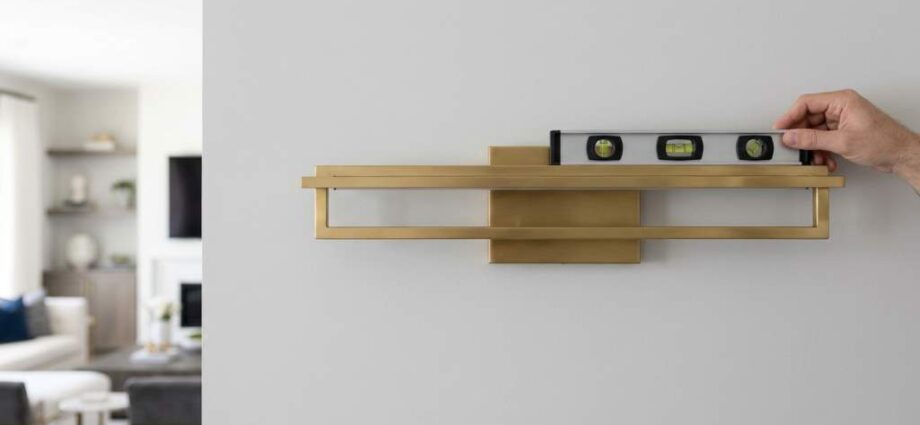
Few home issues draw attention faster than a wall mounted fixture that looks uneven. Whether it is a shelf, television bracket, towel bar, mirror, or decorative light, a crooked fixture can make an entire room feel unfinished. In many Dallas homes, homeowners notice this problem even after careful installation. According to the U.S. Census Bureau, housing growth in Texas continues at a rapid pace, while data from the U.S. Department of Housing and Urban Development shows that homes of varying ages often experience structural movement over time. As a result, walls may not remain perfectly straight or level.
When homeowners attempt to reposition mounting holes, they often discover that the issue extends beyond simple installation mistakes. Understanding why wall mounted fixtures sit crooked in Dallas, TX helps you identify the root cause and choose the right solution before the problem becomes worse.
How Dallas Homes Create Unique Mounting Challenges
Dallas presents conditions that can affect walls and mounted fixtures over time. Soil movement, seasonal weather shifts, and home settling all play important roles. While many homeowners focus on the fixture itself, the surrounding wall structure often causes the real problem.
Many residential properties experience slight foundation movement due to expanding and contracting soil. Consequently, walls can shift enough to affect alignment. Similar structural concerns appear in many areas of home maintenance, including roofing ice dam prevention methods, where underlying structural conditions influence overall performance.
Expansive Clay Soil Movement
Large portions of Dallas sit on expansive clay soil. This type of soil absorbs moisture during wet periods and shrinks during dry conditions. As the ground moves, foundations can shift slightly. Even small movements may create noticeable alignment problems indoors.
Over several years, walls may develop subtle angles that make fixtures appear crooked despite proper installation.
Seasonal Moisture Changes
Texas weather often alternates between heavy rainfall and extended dry spells. Because moisture levels change throughout the year, structural materials expand and contract. Eventually, these cycles can affect wall surfaces and mounting locations.
Common Installation Mistakes That Cause Crooked Fixtures
Environmental factors contribute to the issue, yet installation errors remain one of the most common causes. Fortunately, many of these mistakes are preventable.
Ignoring Wall Stud Placement
Wall studs provide the strongest support for mounted fixtures. However, some installers focus on visual placement rather than structural support. When screws miss studs or anchor points vary in depth, the fixture can tilt over time.
A fixture may appear level immediately after installation. Nevertheless, uneven support eventually creates visible sagging.
Using the Wrong Anchors
Different wall materials require different anchor types. Drywall anchors, masonry anchors, and toggle bolts all serve specific purposes. If the wrong anchor is used, one side may loosen faster than the other.
As a result, the fixture gradually shifts away from its original position.
Measuring From Uneven Surfaces
Many homeowners assume floors, ceilings, and trim pieces are perfectly level. Unfortunately, that assumption often creates alignment problems. If measurements originate from an uneven reference point, the mounted fixture may appear crooked even when installation follows the measurement marks exactly.
Foundation Settlement and Structural Shifts
Foundation movement deserves special attention because it affects many Dallas properties. While some movement remains normal, excessive settlement can create mounting challenges throughout the home.
Structural movement influences both appearance and functionality. Similar design considerations appear in discussions about how roofing design affects function, where structural alignment directly impacts long term performance.
Signs Settlement Is Affecting Fixtures
Look for these warning signs:
- Doors that stick or fail to close properly
- Cracks around windows and door frames
- Gaps near ceiling corners
- Uneven flooring
- Fixtures that become increasingly crooked over time
If multiple symptoms appear together, foundation movement may contribute to the problem.
Why Small Shifts Matter
Even minor settlement can create noticeable visual changes. A wall that shifts only a fraction of an inch may cause shelves, mirrors, and television mounts to appear off balance.
Because human eyes easily detect uneven lines, these slight changes often stand out immediately.
Wall Material Problems That Affect Fixture Alignment
The wall itself may contribute to crooked fixtures. Various construction materials behave differently as homes age.
Maintenance habits also influence overall home condition. For example, homeowners who follow guidance on keep your home clean often become more aware of developing wall and surface issues before they become major concerns.
Drywall Imperfections
Drywall sheets rarely remain perfectly flat forever. Temperature changes, moisture exposure, and minor structural movement can create subtle bows and dips.
Therefore, a level fixture mounted on an uneven wall surface may still look crooked from certain viewing angles.
Older Plaster Walls
Some Dallas homes contain plaster walls. Although plaster offers durability, it can crack or separate from underlying supports over time.
Consequently, mounting hardware may shift slightly, affecting fixture alignment.
Uneven Surface Texture
Textured walls present another challenge. Heavy texture patterns can make precise leveling more difficult because mounting brackets may not sit flush against the surface.
The Hidden Impact of Humidity Inside the Home
Many homeowners overlook indoor humidity. Yet moisture levels affect wood framing, drywall, and mounting hardware.
Wood Expansion and Contraction
Wood framing naturally responds to humidity changes. During humid periods, framing components expand slightly. During dry periods, they contract.
Although these movements appear small, they can influence fixture positioning over many years.
Fastener Loosening Over Time
Screws and anchors endure repeated stress as materials move around them. Eventually, mounting hardware may loosen enough to create visible alignment issues.
Routine inspections help catch these problems early.
How to Diagnose the Real Cause
Before making repairs, determine why the fixture appears crooked.
Check the Fixture Itself
Use a quality level to verify the fixture’s alignment. Sometimes the wall creates an optical illusion even though the fixture remains level.
Inspect the Wall Surface
Place a straightedge against the wall. If gaps appear behind the straightedge, wall irregularities may contribute to the issue.
Examine Mounting Hardware
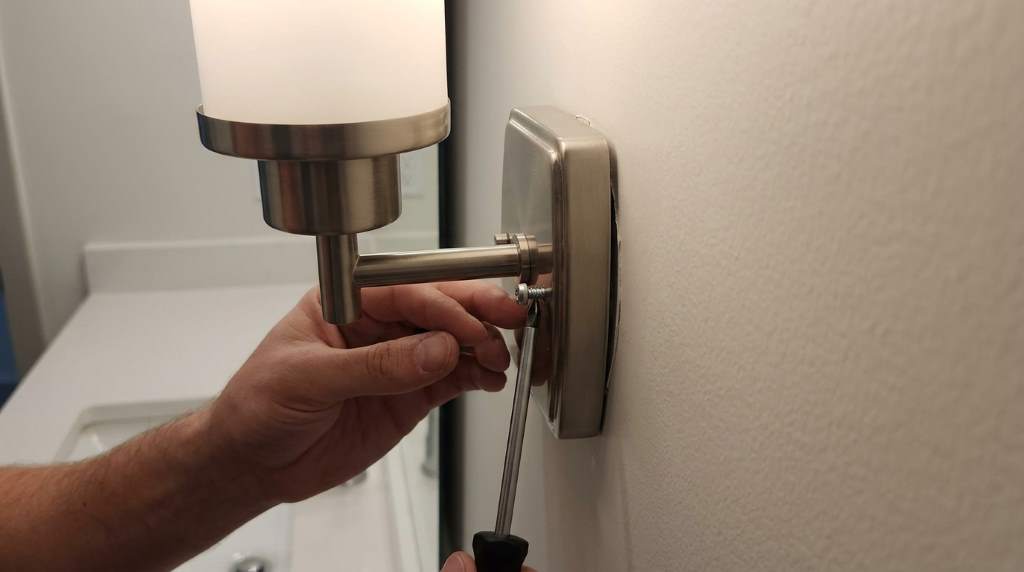
Look for loose screws, damaged anchors, or shifting brackets. Hardware problems often create gradual movement that worsens over time.
Evaluate Nearby Structural Indicators
Inspect doors, windows, and adjacent walls. Multiple signs of movement suggest a broader structural issue rather than an isolated fixture problem.
Practical Solutions for Crooked Wall Mounted Fixtures
Once you identify the cause, several effective solutions can restore proper alignment.
Reinforce Mounting Points
Whenever possible, secure fixtures directly into wall studs. Strong support reduces future movement and improves stability.
Upgrade Anchors
Select anchors designed for the wall material and fixture weight. Proper hardware provides consistent support across all mounting points.
Correct Wall Surface Variations
Shims can help compensate for uneven wall surfaces. By creating a flat mounting plane, shims improve visual alignment.
Address Structural Issues
If foundation movement causes recurring problems, consult a qualified structural professional. Fixing the underlying issue prevents repeated adjustments.
Preventing Future Alignment Problems
Prevention remains easier than repeated repairs.
Maintain Consistent Moisture Levels
Manage drainage around the home and avoid dramatic moisture fluctuations near the foundation.
Inspect Fixtures Annually
Check mounting hardware at least once each year. Tightening loose components early can prevent noticeable misalignment.
Use Accurate Installation Techniques
Always verify measurements with a level. Additionally, measure from multiple reference points before drilling holes.
Professional Installation Benefits
Complex installations often benefit from professional expertise. Experienced installers recognize wall irregularities, structural concerns, and hardware requirements that homeowners may miss.
Conclusion
Wall mounted fixtures sit crooked in Dallas, TX for several reasons, including foundation movement, expansive clay soil, humidity changes, wall imperfections, and installation mistakes. While the fixture often receives the blame, the surrounding structure usually tells the real story. By identifying the root cause, using proper mounting methods, and addressing underlying structural issues when necessary, homeowners can achieve long lasting alignment and stability.
If you notice recurring fixture movement, inspect the wall, hardware, and surrounding structure carefully. Taking action early can prevent larger repairs and help maintain a clean, professional appearance throughout your home.
Frequently Asked Questions
Why do wall mounted shelves become crooked over time?
Foundation movement, loose hardware, and wall material changes commonly cause shelves to shift gradually.
Can Dallas soil affect indoor wall fixtures?
Yes, expansive clay soil can move foundations and create alignment issues inside the home.
Should I level a fixture using the ceiling as a guide?
No, ceilings are not always perfectly level, so a level tool provides more accurate results.
Do drywall anchors cause crooked fixtures?
Improper or undersized drywall anchors can loosen and allow fixtures to tilt.
When should I call a structural professional?
If multiple signs of settlement appear alongside crooked fixtures, professional evaluation is advisable.