










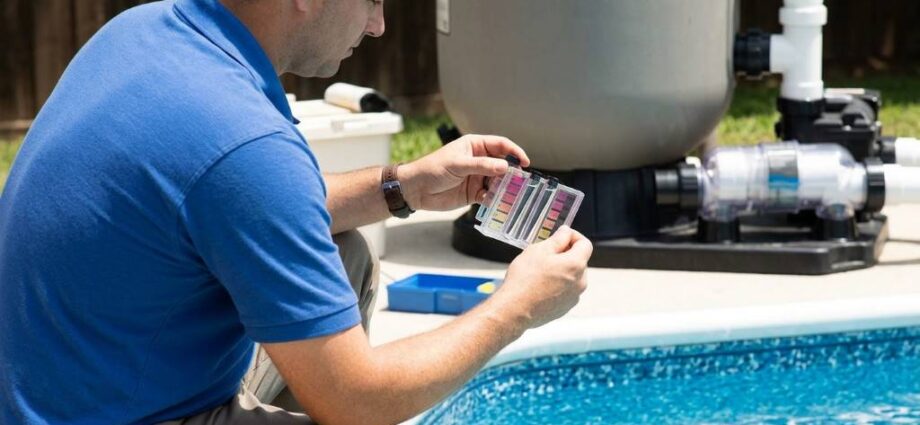
Saltwater pools continue growing across the USA because they offer comfortable swimming and consistent sanitation. Industry reports estimate millions of residential pools now rely on salt chlorination systems nationwide. If you want to master how to prevent pool cell scale, proper water balance remains the most important step. You should also review this salt cell cleaning guide because correct maintenance reduces unnecessary cleaning while protecting expensive equipment.
San Diego enjoys warm weather throughout much of the year, which increases pool usage and evaporation. Consequently, minerals become more concentrated and encourage stubborn scale formation inside salt cells. Understanding preventive care helps homeowners reduce maintenance costs while extending equipment lifespan.
Why Pool Cell Scale Forms in San Diego
San Diego commonly has hard water containing elevated calcium levels that naturally increase scaling risks. Furthermore, strong sunshine speeds evaporation and raises mineral concentration inside pool water. Homeowners planning fancy above ground pools should also understand local water conditions before installation.
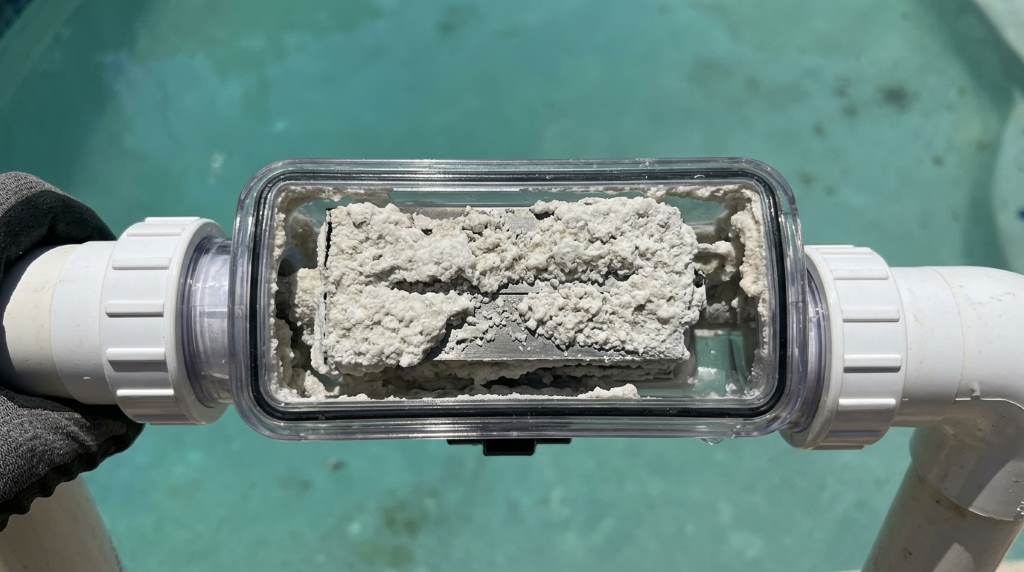
Salt cells generate chlorine through electrolysis, which changes chemical conditions near the plates. As a result, dissolved calcium easily attaches to those surfaces when water chemistry becomes unbalanced. Regular monitoring prevents deposits before they become difficult to remove.
Common Causes of Scale Buildup
- High calcium hardness levels
- Elevated water pH
- High total alkalinity
- Warm water temperatures
- Poor circulation
- Irregular maintenance schedules
Keep Water Chemistry Properly Balanced
Balanced water remains your strongest defense against stubborn calcium scale throughout every swimming season. Therefore, test pool water at least once each week using reliable testing equipment. Small adjustments always work better than major chemical corrections.
Most professionals recommend maintaining pH between 7.2 and 7.6 for saltwater pools. Likewise, total alkalinity and calcium hardness should remain within recommended manufacturer guidelines. Stable chemistry protects both swimmers and expensive pool equipment.
Ideal Water Balance Targets
- pH: 7.2 to 7.6
- Total Alkalinity: 80 to 120 ppm
- Calcium Hardness: 200 to 400 ppm
- Salt Level: Manufacturer recommendation
- Free Chlorine: Proper operating range
Reduce Calcium Hardness Before Problems Start
High calcium hardness creates ideal conditions for scale formation inside chlorinator cells and plumbing systems. Additionally, routine water testing helps identify gradual mineral increases before visible deposits appear. Many homeowners researching whirlpool bathtubs luxury benefits also recognize the importance of controlling mineral rich water.
Partially replacing hard water with lower mineral water often reduces calcium concentration effectively. However, always follow local water regulations and seasonal conservation recommendations. Professional testing offers additional confidence when mineral levels remain unusually high.
Helpful Ways to Lower Calcium
- Replace part of the pool water
- Use quality scale prevention products
- Avoid unnecessary calcium based chemicals
- Test hardness every month
Inspect the Salt Cell Regularly
Frequent inspections catch minor deposits before thick scale blocks chlorine production and reduces efficiency. Moreover, visual checks usually require only a few minutes every month. Reliable maintenance protects long term system performance.
Homeowners looking for a best pool vacuum should also schedule routine equipment inspections because complete pool care involves every major component. Early attention minimizes expensive repairs and prevents unexpected swimming interruptions.
Inspection Checklist
- Look for white mineral deposits
- Check water flow around the cell
- Inspect electrical connections
- Review chlorine production levels
- Follow manufacturer maintenance intervals
Clean the Salt Cell Only When Necessary
Many homeowners mistakenly clean salt cells too frequently using strong acid solutions. Instead, inspect first because unnecessary cleaning gradually wears protective coatings from the plates. Gentle maintenance extends equipment life considerably.
If visible scale appears, follow the manufacturer instructions carefully during cleaning procedures. Additionally, wear protective equipment while handling cleaning solutions around the pool area. Proper technique removes deposits without damaging sensitive components.
Improve Water Circulation Every Day
Strong circulation distributes chemicals evenly while reducing stagnant areas that encourage mineral buildup. Therefore, operate the pump according to seasonal demands and pool usage patterns. Consistent filtration supports healthier water throughout the year.
Clean filters also improve circulation because restricted flow affects overall system performance. Consequently, regular filter maintenance indirectly helps reduce scaling inside the chlorinator cell. Every pool component works together for better results.
Watch Water Temperature During Warm Months
Warm water accelerates chemical reactions and increases the likelihood of calcium precipitation. Therefore, San Diego homeowners should increase water testing during hotter periods. More frequent monitoring catches changing conditions before problems develop.
Pool covers also reduce evaporation, which helps stabilize mineral concentration between maintenance visits. As a bonus, covers improve energy efficiency while keeping debris out of the water. Simple habits often produce significant long term benefits.
Use Quality Testing Equipment
Accurate testing equipment provides dependable results that support better maintenance decisions every week. Digital testers and professional kits generally offer greater precision than inexpensive alternatives. Reliable information prevents unnecessary chemical adjustments.
Store testing supplies in cool, dry locations because excessive heat reduces accuracy over time. Replace expired testing reagents according to manufacturer recommendations for dependable results. Consistent measurements create consistent water quality.
Know When Professional Pool Service Helps
Professional technicians identify hidden issues that homeowners sometimes overlook during routine inspections. Furthermore, experienced service providers understand local San Diego water conditions very well. Their recommendations often prevent expensive equipment failures.
Annual professional inspections complement regular homeowner maintenance rather than replacing personal responsibility. Combining both approaches creates stronger long term protection against scale formation. Preventive care usually costs less than major repairs.
Simple Weekly Maintenance Routine
- Test water chemistry every week.
- Inspect the salt cell visually.
- Empty skimmer baskets regularly.
- Clean pool filters when necessary.
- Verify pump operation daily.
- Record water test results consistently.
Conclusion
Learning how to prevent pool cell scale starts with balanced water, regular inspections, and consistent maintenance habits. Small preventive actions protect expensive equipment while improving swimming comfort throughout the year. Follow these proven practices to keep your saltwater pool operating efficiently across the USA. Start your maintenance routine today and enjoy cleaner water with fewer repair costs.
FAQs
How often should I inspect my pool salt cell?
Inspect the salt cell at least once every month and after noticeable water chemistry changes.
Does hard water increase pool cell scale?
Yes, hard water contains more calcium that encourages mineral deposits inside the salt cell.
Can high pH cause calcium scale?
Yes, elevated pH significantly increases the chance of calcium scale formation.
Should I clean my salt cell every month?
No, clean the salt cell only when visible scale appears or the manufacturer recommends cleaning.
Does a pool cover help reduce scale?
Yes, a pool cover reduces evaporation and helps maintain more stable water chemistry.